
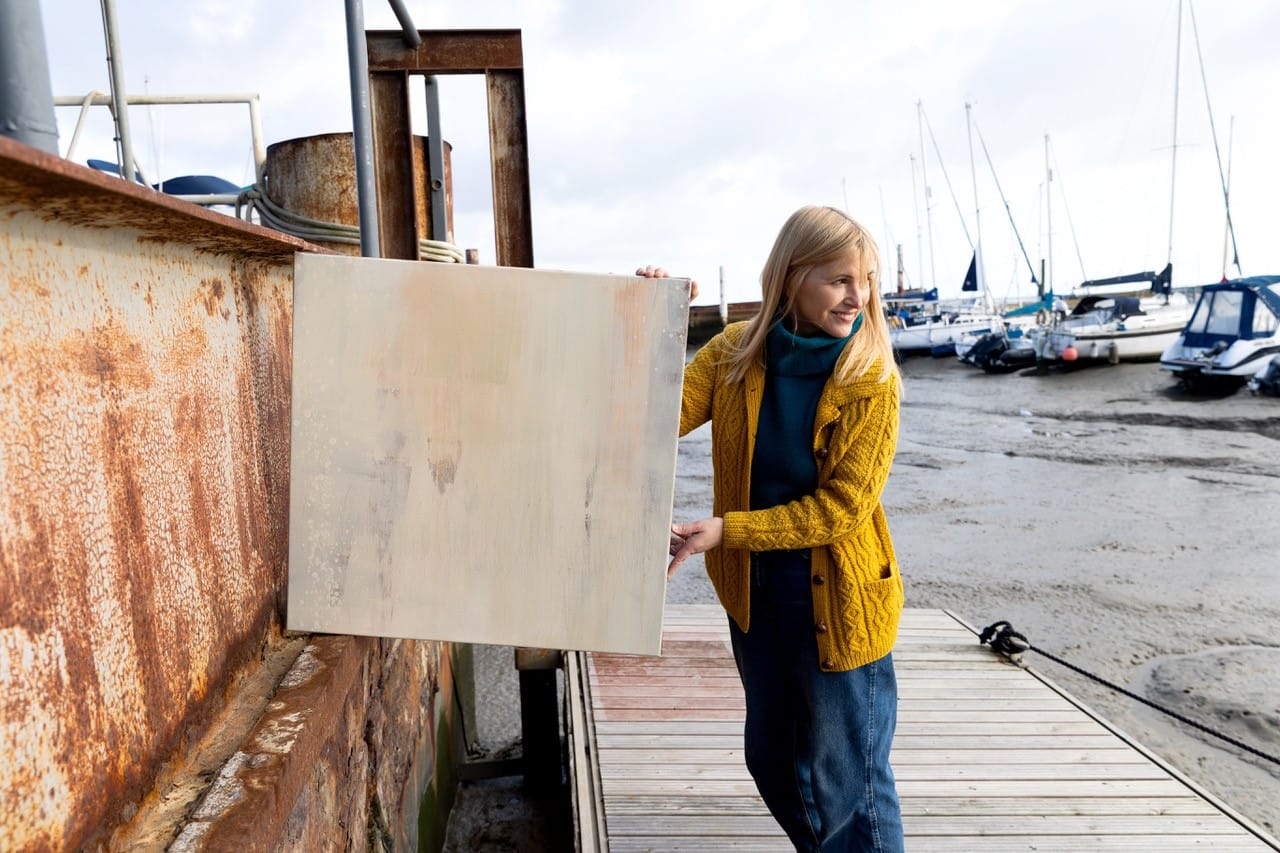
- Structure and shape can be the building blocks of any great work of art, however the composition does not always have to be representational. :
Our Head of Art Luke Baker recently had the privilege to sit down with Little Van Gogh artist Claire Hankey, where they discussed how a recent residency in Barcelona has inspired her to work methodically, allowing her to develop and explore a quieter and more restrained mark-making technique within her practice.
Where do you find inspiration?
I find inspiration primarily through time spent outdoors, particularly in wild or overlooked landscapes. I’m drawn to subtle details like weathered surfaces, shifting light, and edges of the environment that often go unnoticed. These observations become starting points rather than literal references.
Photography plays an important role in my process. I take photographs while walking or travelling, often without a specific outcome in mind. These images are later translated through painting, collage, printmaking or mixed media, allowing the work to move towards abstraction while retaining a sense of place.
How has your practice evolved over time?
My practice has evolved from a more outcome-driven approach to one that is deeply process led. Over time, I’ve become increasingly interested in layering, surface, and the dialogue between different materials.
I now work across painting, photography, collage and printmaking, I love mixing processes and experimenting with materials. Recent experiences, including a printmaking residency in Barcelona, have enabled me to scale up ideas, work more methodically and explore quieter, more restrained mark-making, developments that continue to shape my practice.

Who are your biggest artistic influences?
I’m influenced by artists who prioritise atmosphere and emotion over representation. Helen Frankenthaler has been a long-standing influence, particularly in her use of fluidity, openness and abstraction. Turner’s later works also continue to inspire me for their ability to convey light, movement and mood rather than fixed form.
I’m also inspired by contemporary artists who work across disciplines and collaborate beyond traditional boundaries, as this openness reflects the way I approach my own practice.
What’s the purpose or goal of your work?
The purpose of my work is to create a sense of calm and quiet connection within a space. Rather than depicting specific locations, the paintings and mixed-media works are designed to evoke atmosphere and memory, allowing viewers to form their own interpretations.
This makes the work particularly suited to interiors, whether domestic or commercial, where it can sit within a space, offering a moment of pause and reflection without overwhelming the environment.
Describe a real-life situation that has had a direct impact on your work.
Revisiting landscapes from my childhood had a significant impact on my recent work. In 2024, I returned to places I spent time in growing up and photographed them as a way of reconnecting with memory and place.
These experiences directly informed a series of Memory Paintings, where photography, collage, and paint were combined to create layered, atmospheric works. This process reinforced my interest in how lived experience and environment can subtly shape visual language.
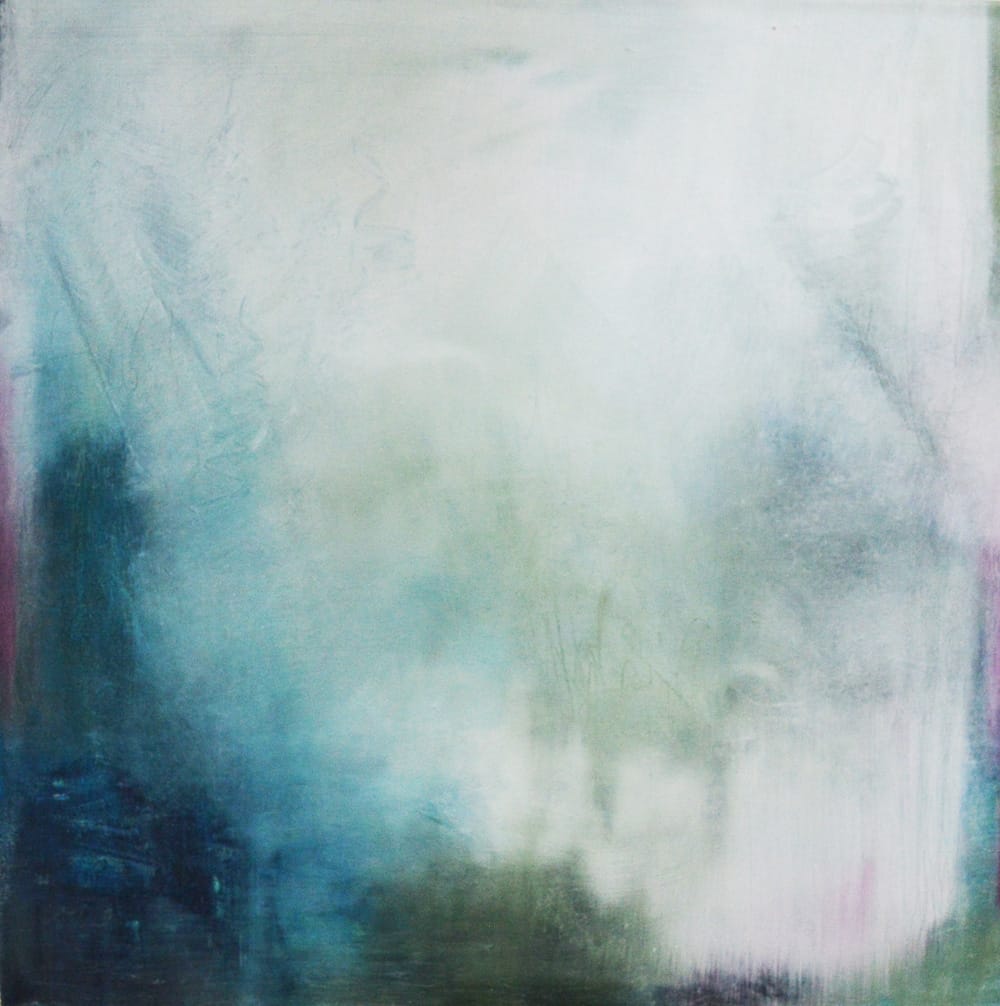
Ethereal Reflections (Oct)
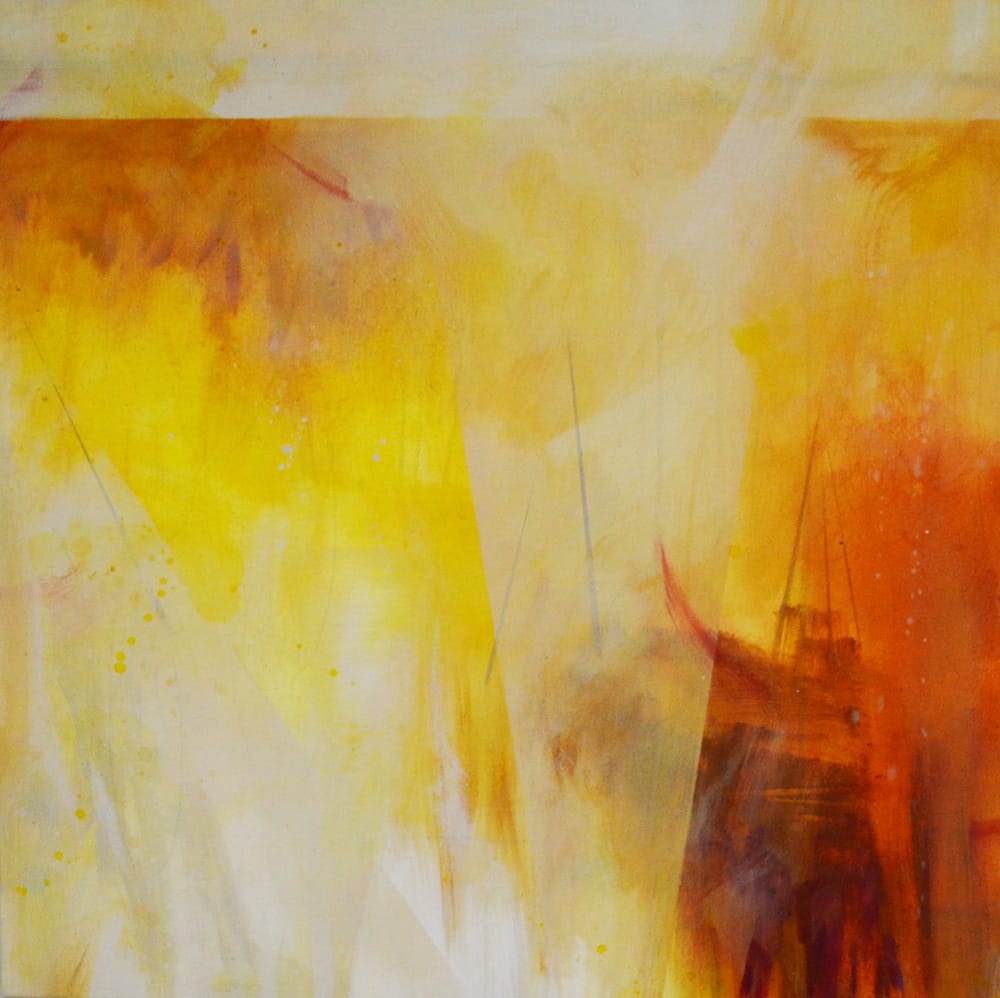
Amber Estuary (Aug)
What’s the best piece of advice you have ever been given?
The best advice I’ve received is to trust the process and allow work to develop slowly. Letting go of the need to over-explain or resolve everything has helped me create work that feels more open, balanced, and emotionally resonant; qualities that continue to guide my practice today.